
Hot Sauces
Showing 65–80 of 144 results
-

High River Sauces Thunder Juice Hot Sauce – 148ml
€14.90 -
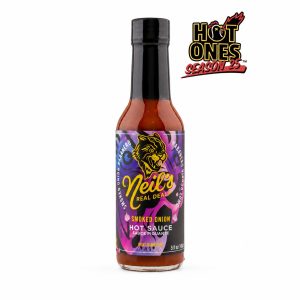
Neil’s Real Deal Smoked Onion Hot Sauce – 155ml
€20.90 -
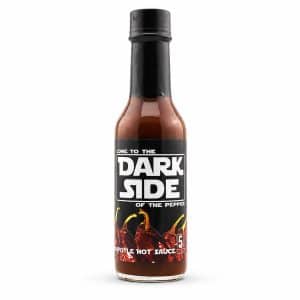
Dark Side of the Pepper Chipotle Hot Sauce 148ml – Come… to the Dark Side
€10.70 -

Hellicious Chipotle Purée – Smoky Heat for BBQ & Meat
€8.70 -
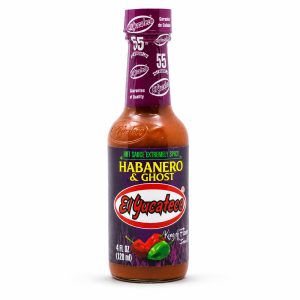
El Yucateco Habanero & Ghost Pepper 120ml – Mexican Hot Sauce
€15.00 -
Add to cart

Sriracha Chilli Sauce
Original price was: €6.90.€5.90Current price is: €5.90. -

Raijmakers Immune Booster – Jalapeno Gin & Lime – 150ml
€10.40 -
Add to cart

Hellfire Chilimaster’s Private Reserve Bourbon Hot Sauce – 200ml
Original price was: €22.00.€19.90Current price is: €19.90. -
Add to cart

Fat Cat Hissy-Fit Carolina Reaper Hot Sauce – 148ml
Original price was: €17.90.€15.50Current price is: €15.50. -
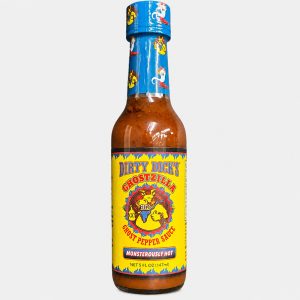
Dirty Dick’s Ghostzilla Ghost Pepper Sauce – 148ml
€17.90 -

Fiji Fire Hot Sauce Gift Pack – 2-Sauce Set from Fiji
€28.00 -

Marie Sharp’s Mango Habanero Hot Sauce
€10.90 -

Blair’s Ultra Death Sauce in Coffin Box – 150ml
€24.90 -
Add to cart

Tears of the Sun Hot Sauce (Hot Ones) – 148ml
Original price was: €15.90.€12.90Current price is: €12.90. -

Blair’s Mega Death Sauce in Coffin – 148ml
€24.90 -
Add to cart

Classic Sriracha Chilli Sauce – 455ml
Original price was: €10.90.€9.90Current price is: €9.90.
Mild Hot Sauces – Medium Hot Sauces – Hot Sauces – Extremely Hot Sauces – Sriracha Sauces – Μέτρια Kαυτερές – Πολύ Kαυτερές – Εξαιρετικα Καυτερές – Σάλτσες Sriracha
Want to bring more flavour and heat to your food? A good hot sauce can transform everything from eggs, burgers and grilled meat to noodles, tacos, marinades and dips. At Kafteroulis you can explore sauces built around different chilli peppers, flavour profiles and heat levels—from bright, approachable everyday sauces to extreme products intended only for experienced chilli lovers. The right choice is not simply the hottest bottle; it is the sauce that balances heat, aroma, acidity, sweetness and the food you plan to serve it with.
Hot sauce is an exceptionally diverse category. Some recipes use relatively mild chillies to add warmth without overwhelming a dish, while others combine superhot peppers or capsaicin extract to produce an intense burn. Between those extremes are smoky Chipotle sauces, fruity Habanero blends, garlicky chilli sauces, Caribbean-style recipes, fermented sauces and Asian favourites such as Sriracha. Choose according to your tolerance and intended use, and remember that a sauce can taste outstanding without sitting at the top of the Scoville scale.
The Scoville scale measures chilli heat and is expressed in SHU (Scoville Heat Units), reflecting the concentration of heat-producing capsaicinoids. Sweet peppers begin at around 0 SHU, while Habanero, Ghost Pepper and other superhot varieties reach hundreds of thousands or even millions of SHU.

Hot sauces cover an enormous range of styles, combining heat with sweet, smoky, sour and fruity flavours. Accessible peppers such as Jalapeno and Tabasco bring manageable heat to everyday dishes, while Habanero, Ghost Pepper, Trinidad Scorpion and Carolina Reaper move into far more intense territory. Whatever your tolerance, browse carefully and choose a sauce that balances flavour with the level of heat you genuinely enjoy.
How Are Hot Sauces Made?
Hot sauces can be fermented, cooked or blended fresh. In a traditional fermented recipe, chillies are combined with salt and sometimes garlic, onion, fruit or other vegetables, then left for beneficial microorganisms to develop acidity and complex flavour. The fermented mash is later blended, often with vinegar, until it reaches the desired texture. Other sauces are cooked directly or made from fresh ingredients, so production methods vary considerably between brands and regional styles.

Hot Sauce Ingredients
Most hot sauces begin with chilli peppers, vinegar or another acidic ingredient and salt. From there, recipes may include garlic, onion, tomato, carrot, fruit, herbs, spices, sugar or smoke. Fermentation can add tangy, savoury and complex notes, while fresh sauces often taste brighter and more direct. Texture also varies: some sauces are thin and pourable, others thick and spoonable, and chilli pastes may contain visible pieces of pepper. Always check the ingredient list for allergens, dietary requirements and the type of chilli used.
Types of Hot Sauce
At Kafteroulis, hot sauces are organised by heat level so you can move from mild, flavour-led options to medium, hot and extremely hot sauces. Separate collections also make it easier to explore distinctive styles such as Sriracha or products built around famous superhot peppers.
The ingredient list offers useful clues about a sauce’s intensity. Ingredients are generally listed by weight, so a chilli appearing near the top is usually present in a larger proportion than one listed near the end. However, pepper variety matters enormously: a small amount of Carolina Reaper or capsaicin extract may create more heat than a much larger quantity of Jalapeño. Scoville information, serving size and clear warnings should always be considered together.
Cayenne – Cayenne-based sauces, including many Louisiana-style recipes, typically deliver a clean, direct heat with noticeable acidity. They are often hotter than mild Jalapeño sauces but gentler than Habanero and superhot pepper blends, making them versatile for everyday cooking.
Chile de árbol – A slender Mexican chilli with a bright, slightly smoky character. Chile de árbol peppers commonly sit around 15,000–30,000 SHU, although natural variation is expected. Their flavour works particularly well in table sauces, salsas, marinades and dried-chilli blends.
Habanero – Habanero sauces combine serious heat with a distinctive floral and fruity aroma. Habanero peppers commonly range from roughly 100,000 to 350,000 SHU, placing them well above Jalapeño and Cayenne but below the hottest Ghost Pepper, Scorpion and Reaper products.
Jalapeño – Jalapeño sauces may use fresh green or ripe red chillies, while Chipotle is a smoked, dried Jalapeño with a deeper flavour. These sauces are usually among the more approachable choices, making them suitable for tacos, eggs, burgers, dips and everyday seasoning.
Naga Bhut Jolokia – Naga Bhut Jolokia, widely known as Ghost Pepper, is a famous Indian superhot chilli with a slow-building and long-lasting burn. It became internationally known after being recognised as a record-breaking chilli in the 2000s. Ghost Pepper sauces are intended for experienced heat lovers and should be used in small amounts.
Piri piri – Piri Piri, also called Peri Peri or African bird’s eye chilli, is closely associated with sauces from Portugal and Southern Africa. It offers sharp, lively heat with citrus, garlic and herb flavours commonly used to create vibrant sauces for grilled chicken, seafood and marinades. Natural heat levels vary, so check each product rather than relying on one fixed rating.
Scotch Bonnet – Scotch Bonnet peppers are closely related to Habanero and share a comparable heat range, but they are especially valued for their sweet, tropical and fruity character. They are central to many Caribbean hot sauces, jerk seasonings and recipes from Jamaica and the wider region.
Tabasco Peppers – Tabasco pepper sauces usually provide a bright, vinegary heat and are often stronger than typical Cayenne-based table sauces. The pepper is used in the famous Tabasco brand as well as other fermented and Louisiana-inspired chilli sauces.
Trinidad Moruga Scorpion – Trinidad Moruga Scorpion – This superhot chilli is known for an intense burn that continues to build, alongside a surprisingly fruity flavour. Individual peppers have been measured at around two million SHU at the upper end. Sauces containing Trinidad Scorpion should be approached cautiously and used sparingly.
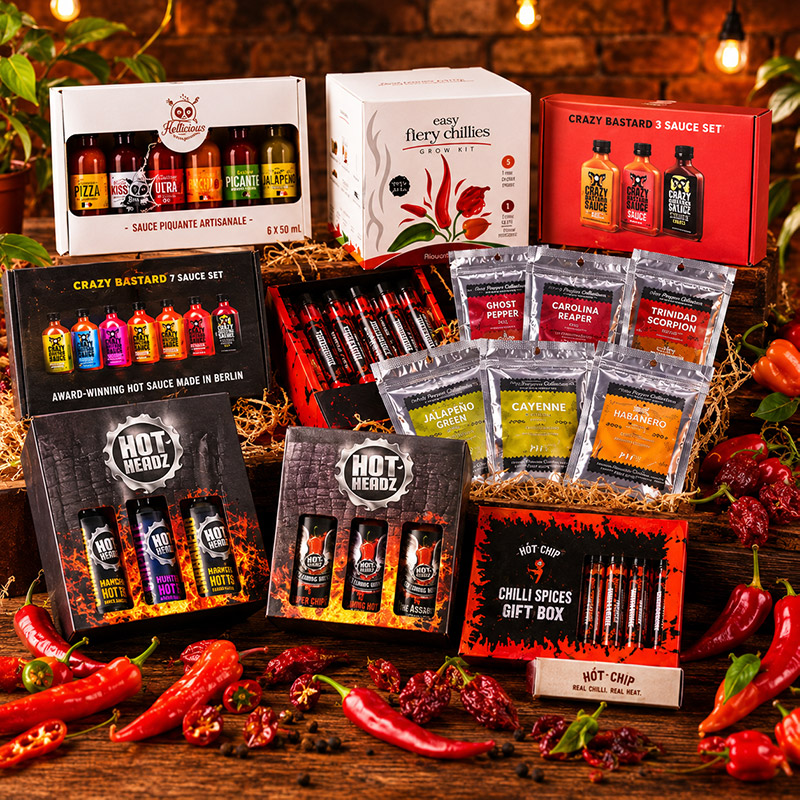
Carolina Reaper Carolina Reaper – Developed by Ed Currie in South Carolina, the Carolina Reaper is one of the world’s best-known superhot chillies. It averages well above one million SHU and can exceed two million, combining a sweet, fruity opening with an extremely powerful and persistent burn. Reaper sauces are intended for experienced chilli lovers.
Capsaicin Extract – Some of the hottest products use concentrated capsaicin extract rather than relying only on whole peppers. These range from extract-enhanced sauces to highly concentrated food additives. They can be dramatically hotter than ordinary chilli sauce and may require only a drop or less in an entire dish. Never consume a concentrated extract directly; follow the label, use appropriate protection where instructed and keep it away from children, eyes and skin.
Other Ingredients – Heat perception is shaped by the entire recipe. Mustard, wasabi, black pepper and aromatic spices can create additional sharpness, while fruit, vegetables, sugar, oil and other ingredients may soften or spread the chilli burn. Tomato, carrot, onion and garlic add body and sweetness; vinegar or citrus juice provides acidity and helps preserve many sauces. The best recipes use these ingredients to support the chilli’s natural flavour rather than simply chasing maximum heat.