Hotsauces
Looking for distinctive hot sauces in Europe? Kafteroulis brings together American favourites and specialist sauces from producers around the world, covering everything from mild, fruity recipes to extract-based superhots.
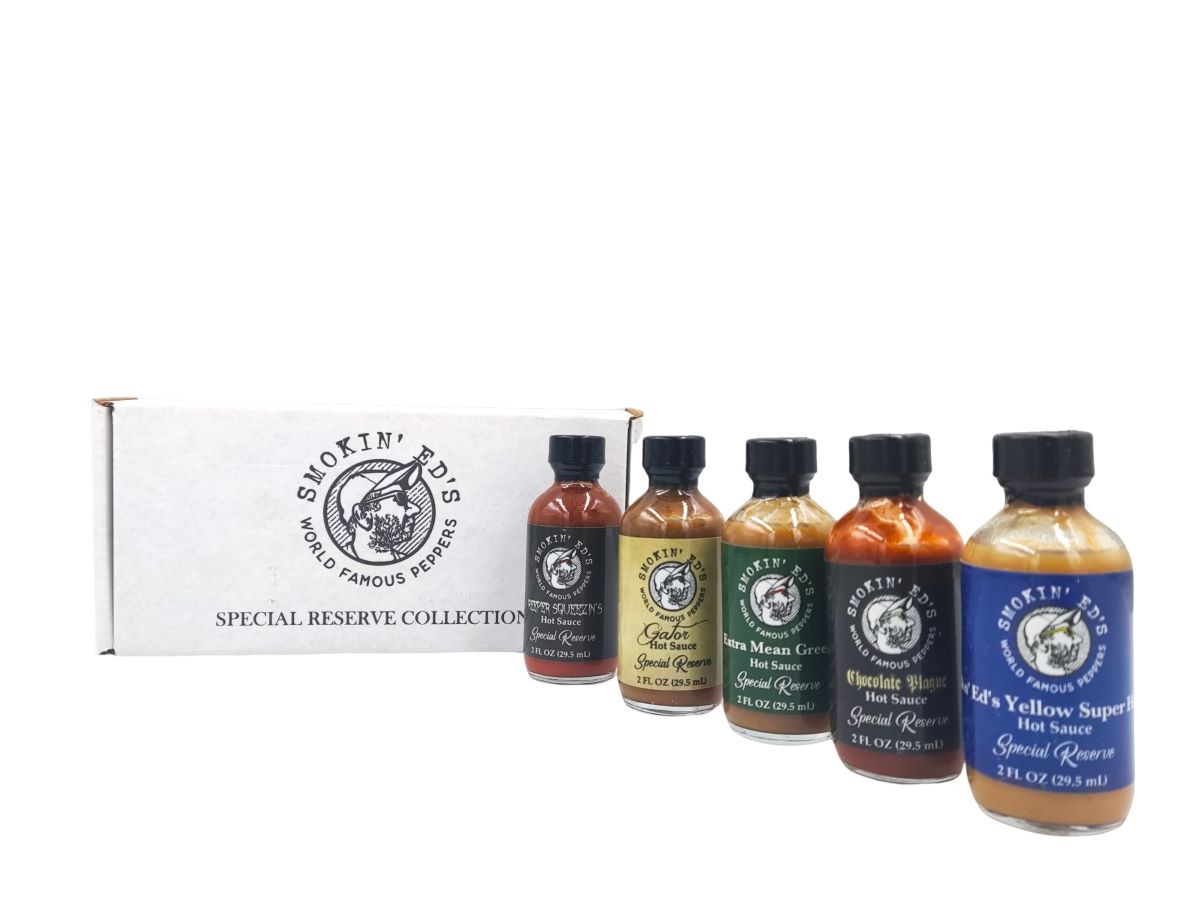
What Is Hot Sauce?
Hot sauce is a liquid or semi-liquid condiment made primarily with chilli peppers. People in the Americas have cultivated and eaten chillies for thousands of years, long before the plants spread to Europe, Africa and Asia.
After European contact with the Americas, chilli plants travelled rapidly around the world and became essential to many regional cuisines. Commercial bottled sauces appeared in the United States during the nineteenth century, while Tabasco—introduced in 1868—became one of the earliest internationally recognised brands.
How Hot Sauce Is Made
Recipes vary enormously, but chilli peppers are the defining ingredient. A simple sauce may contain only peppers, vinegar and salt. More complex recipes add fruit, vegetables, garlic, spices, sugar, smoke or fermentation to create sweetness, acidity, texture and depth.
Producers may ferment peppers, age mash in barrels, cook ingredients or blend them fresh. Ghost Pepper, Habanero, Carolina Reaper and Pepper X can create extreme heat, while chilli extract produces a sharper, more aggressive burn. Vinegar adds acidity and supports preservation, but the final flavour depends on the full recipe—not only the pepper’s SHU.
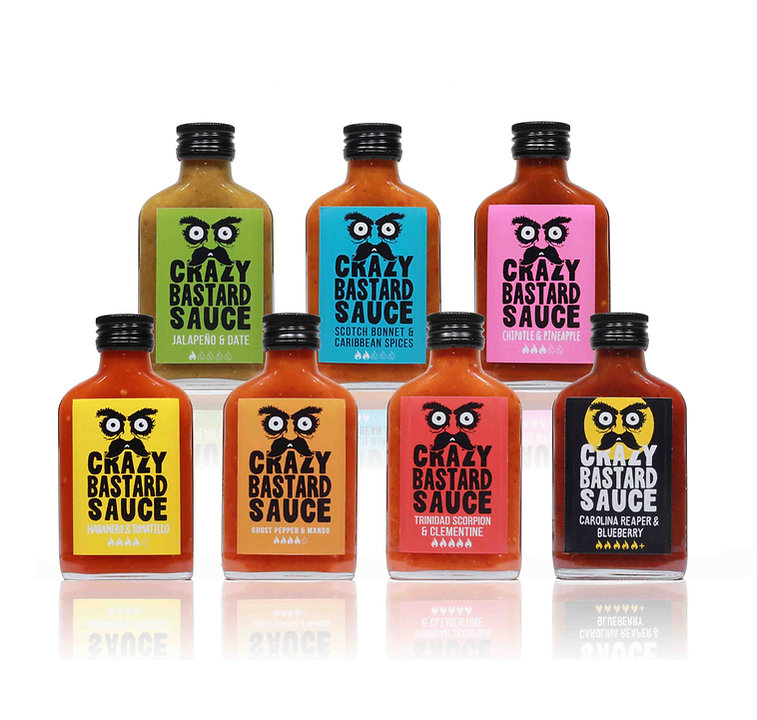
Why Does Hot Sauce Burn?
Capsaicin and related capsaicinoids activate TRPV1 receptors that normally respond to heat. This creates a genuine burning sensation without the sauce being physically hot. Regular chilli eaters may become less sensitive through temporary desensitisation, but normal culinary use is not accurately described as destroying heat-detecting nerves.
Heat is commonly expressed in Scoville Heat Units (SHU). The original test relied on dilution and human tasters; modern laboratory analysis measures capsaicinoids more precisely. Pure capsaicin is rated at approximately 16 million SHU, but it is a chemical reference point—not an ordinary hot sauce.
Specialist crystal or extract products can approach the pure-capsaicin reference, while everyday sauces are far milder. Classic Tabasco is commonly listed around 2,500–5,000 SHU, although recipes and batches vary. Numbers alone do not predict the full experience: acidity, sugar, fat, texture and extract content all influence how a sauce feels.
How to Choose the Best Hot Sauce for You
At Kafteroulis we select hot sauces for flavour, originality and heat across a wide range of styles. The “best” sauce depends on what you cook, which pepper flavours you enjoy and how much heat you can comfortably handle.
Choose mild and fruity sauces for everyday dipping, smoky sauces for barbecue, fermented sauces for complexity, or superhot recipes when a single drop is enough. Start below your maximum tolerance and always check whether the product contains chilli extract.
You can also explore chilli powders, flakes and dried peppers for precise seasoning. Begin with a small amount, especially when using superhot varieties, and store them safely away from children.