If you love spicy flavours but want more than just a burn, chipotle deserves a permanent place in your cupboard. It gives tacos, burgers, marinades and sauces that distinctive, deep smoky note reminiscent of a charcoal fire.
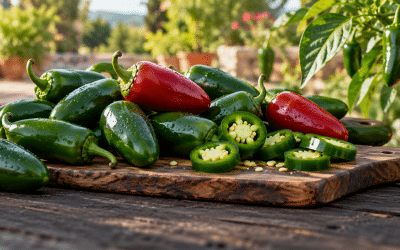
But what is chipotle? Simply put, it is a ripe jalapeño that has been smoked and dried. The process turns the lively pepper into a darker ingredient with concentrated aroma and distinctive character. More than just a hot pepper, it is a little flavour lesson with a smoky finish.
What is chipotle and where does it come from?
The word chipotle is associated with Mexican tradition and refers to fully ripe jalapeño peppers, usually red. They are then slowly smoked and dried to preserve them and develop their distinctive aroma.
Jalapeño is already known for its pleasant, immediate heat. As chipotle, its flavour changes dramatically. Freshness gives way to notes of wood, dried fruit, earth and smoke. That is why chipotle suits dishes that need depth without becoming heavy.
In other words, the chipotle pepper is not a different variety from jalapeño; it is its smoked, dried form. If you have read our jalapeño article, think of chipotle as its riper, darker and slightly more mysterious relative.
How hot is chipotle?
For the average palate, chipotle usually feels medium to fairly hot, without being among the most extreme peppers. Its heat often develops more slowly and roundly: smoke and flavour arrive first, followed by a spicy finish.
The intensity you feel naturally depends on several factors:
- the product’s form: powder, whole pepper or sauce,
- the amount you use,
- whether the recipe includes fats or dairy that soften the sensation,
- your own familiarity with spicy foods.
Treat chipotle as a spice with personality. Add a little, taste and build up gradually. It is much easier to increase the heat than to rein it in once your food is already on fire.
Morita and Meco: two familiar forms
In the world of chipotle, you will often see the names Morita and Meco. These are two traditional forms of smoked jalapeño, with differences in appearance, processing and flavour profile.
Chipotle Morita
Morita is usually darker, often reddish-brown or purple. It is more compact, with a flavour that can suggest dried fruit, sweetness and smoke. A popular choice for sauces, marinades and everyday cooking, it pairs easily with tomato, onion, garlic and citrus.
Chipotle Meco
Meco tends to be larger, paler and more wrinkled. It is often described as more intensely smoky and earthy. Excellent when you want the smoked pepper to lead, for example in broths, meat sauces or rich bean dishes.
These differences are not absolute, since production also affects flavour. Both versions offer what we expect from chipotle: depth, smoke and a pleasantly spicy kick.
What forms does chipotle come in?
Chipotle comes in several forms, each with its own kitchen role. Choose according to your recipe, available time and the intensity you want.
Dried chipotle peppers
Whole dried peppers are ideal if you want full control over flavour. Soak them in hot water and blend into sauces, or add them to slow-cooked dishes. They bring complexity to chilli, tomato-based stews and pulses.
Chipotle powder
Powder is the quickest option. Add it to dry rubs, spice blends, roasted potatoes, popcorn, eggs and grilled vegetables. Start with a small amount: its aroma spreads quickly throughout the dish.
Chipotle in adobo
This chipotle in adobo is one of its best-loved forms. The smoked peppers sit in a rich, usually reddish sauce with acidity, spices and sweet notes. One spoonful gives you pepper, smoke and sauce together.
Use both the pepper and a little sauce in tacos, mayonnaise, marinades or soups. For a practical option, explore our canned chipotle peppers and keep them ready as a base for quick Mexican-inspired meals.
Chipotle purée
Purée is particularly convenient for a smooth texture without pepper pieces. It mixes easily into sauces, dips and marinades, adding rich colour and smoky intensity in seconds. Our Hellicious chipotle purée can be a starting point for burger sauces, dressings or spicy grilled dishes.
Chipotle sauce and ready-made seasonings
A chipotle sauce is the easiest way to add smoky character when serving. It suits burgers, chicken, quesadillas, chips and grilled vegetables. Salted and seasoned chipotle products are also available, such as chipotle chilli salt, for a quick finish on meat, eggs or even a simple avocado toast.
How do you cook with chipotle?
Chipotle loves rich, full flavours, but is not limited to Mexican cuisine. Used in moderation, it works just as well with Greek ingredients. It pairs particularly well with tomato, sweetcorn, beans, potatoes, honey, lime, yoghurt and grilled meats.
Try these ideas:
- In a chicken or pork marinade: mix chipotle, lime, garlic, olive oil and a little honey.
- In burger sauce: add a small amount of purée or adobo to mayonnaise with a little lemon.
- In beans and chickpeas: combine chipotle with tomato and cumin for a deeper, warming flavour.
- On roasted potatoes: combine chipotle powder with paprika, salt and a little garlic.
- In soups: try it in creamy pumpkin, sweet potato or tomato soup.
- In vegetarian tacos: it adds a kick to mushrooms, black beans or cauliflower.
- In chocolate recipes: a small pinch creates an interesting contrast in brownies or hot chocolate.
For ready-made options with an intense smoky character, explore Dark Side of the Pepper Chipotle. Add it in the final stage or when serving to keep the aroma lively.
Small tips for getting the quantity right
Chipotle does not need to dominate. The aim is to make the dish more interesting, not hide every other ingredient. For a medium-sized pot, begin with a little powder or purée and taste before adding more.
If you overdo it, balance the result with sweetness, acidity or creaminess. Yoghurt, cream, avocado, tomato, honey or lime may help, depending on the recipe. They do not remove the heat, but can make it more approachable.
Keep dry chipotle in an airtight container away from moisture, light and strong smells. This helps preserve its distinctive aroma.
Frequently asked questions about chipotle
Is chipotle always jalapeño?
In the most common use of the term, yes. Chipotle is ripe jalapeño that has been smoked and dried. This process gives it its characteristic profile.
What is the difference between chipotle and smoked paprika?
Both are smoky, but they are not the same. Chipotle comes from jalapeño and usually offers more noticeable heat with different fruity, earthy notes. Smoked paprika is often milder and sweeter.
Can I replace chipotle with another ingredient?
If you have no chipotle, combine a hot pepper or chilli powder with a little smoked paprika. It will not taste exactly the same, but will bring heat and smoke.
When should I add chipotle to a recipe?
Add it early in stews and sauces so it blends into the flavour. In finished sauces, dips or as a topping for grilled dishes, add it towards the end for a stronger aroma.
Does chipotle work in everyday meals?
Absolutely. A small amount can lift omelettes, toasties, potatoes, soups, pulses and pasta sauces. Balance is the secret: a little goes a long way in flavour.