This habanero pepper is not one to slip into a dish unnoticed. Small in size, big on personality, it brings heat, aroma and attitude to your cooking. For some, it is the pepper that makes a sauce sing; for others, a first taste of seriously fiery food.
Searching for habanero? You probably want to know what it is, how carefully to use it and what it goes with. The trick is simple: restraint, tasting and a little curiosity. Bring those three along and habanero becomes a fascinating ingredient to cook with.
What is a habanero pepper?
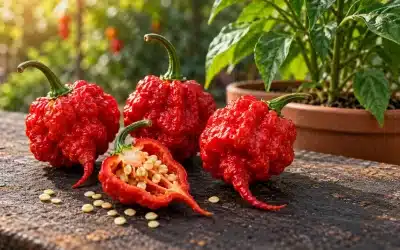
Habanero is a chilli variety known for the powerful heat it can bring to a dish. Its name is sometimes transliterated as habanero, and occasionally misspelled havanero. The standard international spelling is habanero.
There is more here than a burn. Used sparingly, habanero adds a distinctive aroma that works with fruit, vegetables, meat, beans and sauces. You do not need a generous handful to notice it: even a tiny piece can change a recipe’s whole character.
Habanero suits cooks who want more adventurous flavour, not just one-note heat. Treat it as a seasoning that lifts the meal, rather than turning dinner into an endurance challenge.
Why does habanero need a careful hand?
Its intensity is its calling card, and the reason to handle it thoughtfully. What looks like a tiny amount can season an entire dish. If hot chillies are new to you, start with very little and taste as you go.
You can always add more pepper; taking the heat back out is much trickier. Do not let its size fool you. Habanero has a seriously big personality.
Start with a tiny taste
For your first go, add a tiny piece to a pot with plenty of other ingredients. Tomato sauce, a bean chilli or a meat marinade are good starting points, because the pepper’s flavour spreads through the whole dish.
- Cut off a tiny piece and add it gradually.
- Taste the dish before adding more.
- Pair it with ingredients that bring natural sweetness or acidity.
- Give people a heads-up before serving them a dish containing it.
Heat is personal. One person’s pleasant kick can be another’s full alarm. A cautious taste beats a heroic spoonful every time.
How to cook with habanero
Use habanero fresh, in sauces and marinades or in slow-cooked dishes. The best approach depends on what you want: bright, direct heat or an aroma that slowly blends into the recipe.
In sauces
Sauces are a practical way to get acquainted. Add a little habanero to tomato sauce, taco salsa, a roasted vegetable dip or a fruit sauce. Mango, pineapple, peach and citrus are especially good partners for this pepper’s fiery character.
Try a little habanero with tomato, onion, lime or lemon, salt and herbs. The pepper becomes part of a rounded flavour, rather than standing alone.
In marinades
Habanero adds character to marinades for chicken, pork, fish and vegetables for the grill. It pairs well with olive oil, citrus juice, garlic, honey or another sweet ingredient, and aromatic herbs.
Keep an even lighter hand here, as marinade coats the whole ingredient. A little is enough to make an impression. For more control, add a tiny amount of finely chopped pepper at the end, or serve a separate hot sauce at the table.
With beans and stews
Beans, chickpeas, lentils and hearty stews take beautifully to a small dose of habanero. It lifts earthier flavours and works with cumin, paprika, coriander, garlic and tomato.
Add it early to spread the heat throughout the pot. For a brighter, more immediate kick, add a very small amount near the end. Either way, taste before serving.
In salads and fresh sides
A tiny amount of finely chopped habanero can go into salad dressing, pico de gallo or a fresh cucumber, tomato and lime side. Acidity balances the overall flavour, while fresh vegetables keep things light.
Cooking for friends? Serve the spicy extra separately. Everyone can then choose their own level of adventure.
Pairing ideas for balanced flavour
Habanero does not need to take over. It shines alongside ingredients that soften or complement its intensity. Aim for a balance of heat, sweetness, acidity, salt and richness.
- Fruit: mango, pineapple, peach, orange and lime.
- Vegetables: tomato, peppers, onion, corn and sweet potato.
- Protein: chicken, pork, fish, prawns and black beans.
- Dairy: yoghurt or cheese in accompaniments, where they suit the recipe.
- Herbs and spices: coriander, mint, garlic, cumin and smoked paprika.
Think of habanero as a very powerful seasoning. It should not be the only thing you can taste. The sweet spot is a lively, pleasant finish that leaves room for every other ingredient.
Safe handling in the kitchen
Take care when cutting or preparing habanero. Avoid touching your face, eyes or lips while working with it, and wash your hands thoroughly afterwards.
Disposable gloves are a sensible extra precaution, especially when preparing several peppers or if your hands are sensitive. Clean the knife, chopping board and any surfaces that touched the pepper thoroughly.
A few practical steps
- Use a separate knife and chopping board if possible.
- Do not rub your eyes while preparing the pepper.
- Wash your hands, utensils and worktop thoroughly.
- Keep the pepper away from children and pets.
- Taste the dish carefully before serving.
A little care is not fear. It is simply giving a powerful ingredient the respect it deserves.
Which form of habanero should you choose?
Choose according to the recipe and how easily you want to control the heat. Fresh peppers bring a livelier aroma; other forms can be handy for particular uses. Read the product instructions and start small.
To explore the classic version, take a look at our habanero chilli pepper. For a different flavour direction, there is also the chocolate habanero pepper.
Do not assume two peppers with similar names will taste exactly alike. Each variety, form and recipe can give a different experience. Cooking is about tasting, noticing and adjusting.
Common mistakes when cooking with habanero
The most common mistake is using too much. In recipes with plenty of liquid, the pepper may seem to disappear at first, then make itself much more obvious later.
Another pitfall is forgetting balance. Without something sweet, acidic or rich alongside it, habanero can feel harsh. And remember that your guests may have a different heat tolerance: a separate sauce is often the friendliest solution.
Habanero pepper FAQs
Can beginners use habanero?
Yes, provided you use a very small amount. Add it gradually to the recipe rather than putting in a generous dose at the start.
How can I tone down a dish with habanero?
Increase the other ingredients and add elements that balance the flavour: tomato, or something acidic, sweet or creamy, depending on the recipe.
Can I use habanero in everyday meals?
Absolutely: treat it as a powerful seasoning. A little adds interest to beans, sauces, marinades, vegetables and stews.
Should I wear gloves when cutting habanero?
They are a sensible precaution, especially if you are cutting several peppers or have sensitive skin. Whether or not you use gloves, wash your hands and utensils thoroughly afterwards.
What is the best way to serve it to friends?
Offer a hot sauce or a little finely chopped habanero separately. Everyone can adjust the heat to their own taste.
Habanero rewards a thoughtful hand and a creative cook. With small amounts, good pairings and a little care, it gives everyday food a fiery twist that is hard to forget.