A hot sauce can transform a dish with a single drop. Fruity tang for tacos, smoky depth for the grill, a spicy lift for soup or a lively kick for eggs and sandwiches: there is plenty to explore. The aim is more than a burn. Your sauce should suit the food and your own appetite for heat.
Staring at dozens of hot sauces and wondering where to start? You are in the right place. This practical guide helps you choose with confidence, whether you are taking your first spicy steps or looking for fresh combinations.
What is hot sauce?
The term hot sauce usually means a sauce based on chillies, with ingredients such as vinegar, salt, fruit, spices, garlic or onion depending on the recipe. There is no single formula: every sauce has its own personality.
Κάποιες είναι λεπτόρρευστες και ξιδάτες, ιδανικές για να μπαίνουν απευθείας πάνω στο πιάτο. Άλλες είναι πιο πυκνές, με υφή που θυμίζει ντιπ. Υπάρχουν επίσης σάλτσες με καπνιστές νότες, φρουτώδη γλύκα, έντονο σκόρδο, τροπικά αρώματα ή πιο γήινο προφίλ.
Hot sauce is much more than a condiment for daredevils. It adds flavour, aroma and intensity where they are needed, either taking the lead or working quietly in the background. Choosing well makes all the difference.
What to look for before choosing a hot sauce
The label tells you more than just how hot it is. Before deciding, take a few seconds to read the flavour description and key ingredients.
1. The type of chilli
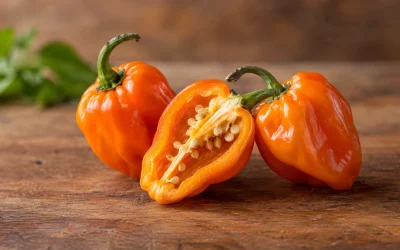
The pepper shapes both heat and aroma. Some bring bright, fruity flavour; others taste greener, earthier or smokier. A named chilli variety in the description is a useful clue to what is waiting inside the bottle.
No need to memorise every variety. Start with flavours you already enjoy. Like fruit? Look for fruit-based sauces or fruity tasting notes. Prefer barbecues and grilled food? A smoky direction may be your match.
2. The other ingredients
Look at what joins the chilli. Vinegar usually brings bright acidity; garlic and onion add savoury depth. Fruit offers sweetness and aroma, while spices can steer the sauce towards Mexican, Asian, Caribbean or smoky flavours.
A short, simple ingredient list does not necessarily mean mild, and a complex recipe does not automatically mean hotter. Think of the ingredients chiefly as a flavour guide.
3. Texture and thickness
Texture changes how you use a sauce. A runny hot sauce spreads easily over pizza, omelettes, potatoes or rice. A thicker one sits well in burgers, on grilled meat and tortillas, or as a marinade base.
For an everyday splash, choose something easy to use and balanced. For an ingredient that adds character to recipes, try thicker, more complex options.
4. The heat description
Mild, medium, hot and extra hot are useful signposts, not exact promises. Heat is personal: one person’s pleasant warmth may be too much for someone else.
If you are new to hot sauce, mild does not mean boring. A gentle sauce with lively acidity and good aroma can earn a place at every meal, rather than sitting on the shelf waiting for a bravery contest.
How to match hot sauce to your food
There is no single sauce for everything, but a few simple ideas will help you find tastier combinations.
For eggs, brunch and sandwiches
Eggs, omelettes, toast and sandwiches usually welcome acidity and a clean flavour. A vinegary or gently garlicky hot sauce wakes up milder ingredients without hiding them.
Start with a few drops on the finished dish. You stay in control and can always add more.
For pizza, pasta and potatoes
Balanced acidity and medium heat work beautifully here. Tomato, cheese and potato love the contrast a hot sauce brings, especially when it does not overwhelm them.
A thinner sauce is often handy for pizza and fries. With roast potatoes or loaded fries, try a thicker sauce, either on its own or stirred into your favourite dip.
For meat, grills and burgers
Grilled meats and burgers have enough flavour to carry bolder, smokier or richer sauces. Look for smoke, spices, garlic or a sweet-and-spicy balance in the description.
Do more than drizzle it on at the end. A small amount can go into a marinade, dressing or burger sauce. Add gradually and taste as you go, so the heat accompanies the food instead of taking over.
For tacos, beans and rice dishes
Tacos, burritos, beans, rice and vegetables give you plenty of room to play. Fruity sauces contrast nicely with savoury or earthy flavours; greener, fresher sauces often suit vegetables, avocado and dishes with lime or herbs.
With beans and lentils, a little hot sauce adds life without changing the dish’s character. Try it on your own plate first, rather than in the whole pot, especially when cooking for others.
For fish and seafood
Fish and seafood need a light hand, not a nervous one. Choose bright acidity, citrus or fruity notes. Start away from heavy or extremely hot sauces that might bury their delicate flavour.
A few drops on grilled fish, prawns or fish tacos are enough to see whether you like the pairing.
Find your kind of heat
The best hot sauce is the one you actually want to reach for again. You do not need to start at the extreme end: build your experience and tolerance gradually.
- New to hot sauce? Choose mild or medium heat and put flavour first.
- Love a spicy kick? Explore hotter sauces, but keep an eye on the aroma, not just the challenge.
- Cooking for friends? Put the sauce on the table so everyone can choose their own dose.
- Trying something new? Start with one drop on a small bite of food. Adding more is easier than taking it away.
Heat does not need to be an endurance sport. When a sauce suits the dish, its fire becomes part of the flavour, rather than a penalty for being curious.
How to get the most from a hot sauce
Even the right sauce can disappear or dominate if you pour carelessly. A few simple habits help you make the most of every bottle.
- Taste it on its own: a tiny drop is enough to get a sense of its main flavours.
- Add it at the end: the aromas stay brighter and you can control the amount more easily.
- Mix it into sauces and dressings: a little livens up mayonnaise, yoghurt, vinaigrette or a sauce for grilled food.
- Pair it with richer ingredients: cheese, avocado, yoghurt or mayonnaise can help round out the flavour.
- Leave room for the food: if the dish already has bold spices, start with an even lighter hand.
To explore different flavour profiles, browse our collection of hot sauces and choose according to how you plan to use them. To explore the wider world of heat, discover more hot sauces for different dishes and occasions.
Common mistakes when choosing hot sauce
The biggest mistake is choosing only by apparent heat. Intensity matters, but so do aroma and balance. A tasty, balanced sauce will get used far more often than one left on the shelf because it overwhelms your everyday meals.
Another mistake is pouring too much at the start. With a new sauce, go slowly. You will get a much better sense of how it works alongside the food.
Finally, do not confine a sauce to one dish. If it worked in a burger, try it with eggs, in a dressing or on roast vegetables. Exploring is half the pleasure.
Hot sauce FAQs
Which hot sauce is best for beginners?
Start with mild or medium heat, a clear flavour and easy pouring. Vinegar, garlic or fruity notes can all be good starting points, depending on what you enjoy.
How much hot sauce should I use?
Start with a few drops or the tip of a spoon. Taste and add gradually. The right amount brings out the dish without making every other flavour disappear.
Can I cook with hot sauce?
Yes. Add it to marinades, dressings, dips and sauces, or finish a dish with it. For better control of the heat, add gradually and keep tasting.
Is hot sauce only for meat?
Not at all. It works with eggs, vegetables, beans, potatoes, rice, pizza, pasta, fish and seafood. The best pairing depends on each sauce’s flavour and heat.
Should I choose a fruity or smoky hot sauce?
Go fruity for bright contrast with tacos, vegetables, rice dishes or seafood. Go smoky with grills, burgers, meat and dishes with a deeper, earthier flavour.
Choosing a hot sauce comes down to taste, curiosity and little experiments. Start with a flavour that catches your attention, add a little at a time and let each bottle find its place at your table.