Buying chillies is about more than choosing the hottest one. The right choice depends on how you plan to use them: in an everyday sauce, tacos, a marinade, chilli oil, pickles or a dish that simply needs a little spicy signature.
A chilli can bring fruity aromas, earthy character, smoky notes or a sharp, immediate kick. Heat matters, but it is not the only consideration. Choose according to your intended use, your experience and the product format, and you will enjoy the flavour more while avoiding unwelcome surprises on your plate.
What to consider before buying chillies
Before deciding which chillies to buy, think about what you want from them. Will you cook with them straight away, make a sauce, dry your harvest or start growing from seeds or plants?
The following factors will help you narrow down your choices.
How you plan to use them
The best chilli for a fresh salsa is not necessarily the best for drying or making a concentrated chilli oil. For everyday recipes, varieties with manageable heat and a clear flavour often work best. For more adventurous creations, look for chillies with a more complex aromatic profile.
Your tolerance for heat
If you are just starting to explore chillies, there is no need to jump straight to the most extreme options. Heat is enjoyable when you can still appreciate the pepper’s aromas, rather than turning your meal into an endurance test.
Start with mild or medium-hot options and work your way up. You will discover what suits you: gentle warmth alongside your food, a steady kick or something very powerful to use in tiny amounts.
How much you expect to use
If spicy food is part of every meal at home, a milder chilli may be more practical. You can use more of it and give your recipe body. A very hot variety, on the other hand, works when a tiny amount is enough to boost a large dish or a sauce.
Put simply: the hotter the chilli, the more precise your quantities need to be.
Choose chillies to suit your cooking
Buying chillies is easier when you start with the recipe rather than a passing curiosity. Of course, curiosity is part of the fun, but it helps to have a dish to go with it.
For everyday cooking
For omelettes, beans, pasta, pizza, tomato sauces or roasted vegetables, look for balanced heat. You should be able to add your chilli without completely overpowering the other ingredients.
Jalapeños are a familiar choice for this kind of cooking, from stuffed and roasted peppers to fresh sauces. Find out more in our guide to jalapeño peppers.
For fresh sauces and dips
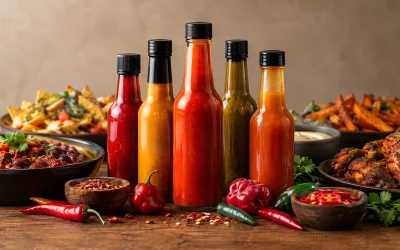
In fresh sauces, a chilli’s flavour matters just as much as its heat. Pair it with tomato, lime, onion, herbs or fruit to suit the result you want. An aggressive burn can drown out everything else, so always start by trying small amounts.
For sauces shared by several people, start on the mild side. You can always add more heat. Taking it back out is much harder, unless you plan to make enough sauce for the whole neighbourhood.
For pickles, marinades and chilli oil
In pickles and marinades, chillies need to work with vinegar, salt, garlic and spices. Choose heat you will still enjoy once the flavours have developed. Chilli oil in particular may taste hotter than expected when you pour it generously.
Use small amounts at first and note the variety and proportions. For your next batch, you will know whether you want more aroma, more heat or both.
For drying and seasoning
Dried chillies are handy when you want to keep their flavour for longer or use them as flakes and powder. Before buying or growing them, consider whether you want an everyday seasoning or a very powerful ingredient that you practically add with tweezers.
Heat can become concentrated in chilli powder. A variety that feels manageable when fresh may need much more careful measuring once dried and ground.
How to compare heat levels safely
Chilli heat is linked to capsaicin and is usually described using the Scoville scale. You do not need to memorise numbers to choose well. It is more useful to understand the main heat categories and relate them to the way you cook.
- Mild heat: suited to those who like using chillies often and in larger quantities.
- Medium heat: a distinct spicy kick that can still leave room for the flavours of your food.
- High heat: needs careful measuring and suits people already familiar with spicy food.
- Extreme heat: intended for very sparing use and careful handling.
A variety’s name alone cannot tell you how hot it will feel. Your experience depends on the amount, the dish, whether the chilli is fresh or dried, and how used to heat you are.
To compare options, check the variety, its general character and the suggested uses. Our guide to the hottest chillies can help you understand which options belong in the very hot categories.
Small habits that make a big difference
Wear gloves when handling very hot chillies and avoid touching your face or eyes. Thoroughly wash surfaces, utensils and your hands after preparation. When trying a new variety, start with a tiny piece rather than a whole pepper.
To control the result when cooking, remove some of the inside of the chilli to begin with. Add more gradually only after tasting the dish.
Buying formats: fresh, dried, seeds and plants
Chillies do not all serve the same purpose. The format you buy affects both how you use them and how soon you can enjoy them.
Fresh chillies
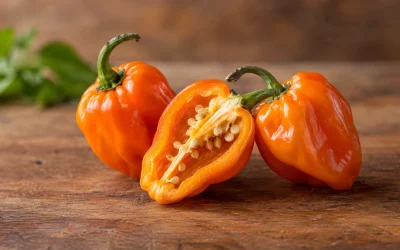
Fresh chillies are the ready-to-use choice for cooking, stuffing, roasting, sauces and pickles. Look for a lively appearance, firm flesh and no obvious signs of spoilage. Appearance varies with variety and ripeness, so do not judge by colour alone.
Dried chillies
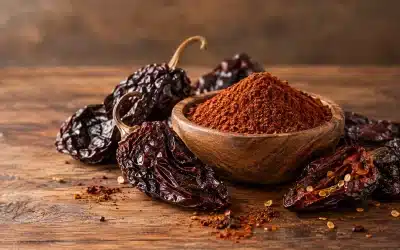
Dried chillies are convenient for keeping in the cupboard, infusing sauces with flavour, making flakes or grinding. A small amount delivers heat, so they are useful when you want a spicy ingredient always on hand. Measure carefully, especially if you plan to grind them.
Chilli seeds
Seeds are ideal for anyone who wants to experience the whole growing process. They take time, care and patience, but let you follow the plant from the very beginning and plan which varieties to grow in your space.
If you are interested in a very hot variety, take a look at our Carolina Reaper chilli seeds. Before choosing, make sure its heat really suits the way you cook.
Chilli plants
Plants offer a head start if you want to grow chillies without waiting for seeds to germinate. They still need proper care, space and regular attention, but suit growers who want to reach harvest sooner.
For example, a Carolina Reaper plant suits growers who want a particularly hot variety and understand that it needs to be used very sparingly in the kitchen.
Useful questions before you choose
If you are deciding between two or more varieties, ask yourself:
- Do I mainly want flavour, heat or both?
- Will I use it in everyday recipes or special preparations?
- Do I want to cook with it now, preserve it or grow it?
- How many people will eat the dish, and how used to spicy food are they?
- Am I ready to use tiny amounts and handle the chilli carefully?
The right answer is not always the hottest option. It is the one you will enjoy using, pair with your recipes and want to try again.
It is worth giving your chilli purchase a little thought. Start with how you want to use them, consider the heat you can enjoy, and decide whether fresh chillies, dried chillies, seeds or plants suit you best.
Do not chase heat alone. Look for flavour, aroma and practicality. With the right chilli, even a small amount can turn a simple dish into something memorable.
Frequently asked questions about buying chillies
Which chilli should I choose as a beginner?
Start with a mild or medium-hot variety so you can get used to the sensation and discover your flavour preferences gradually. Manageable heat is usually more versatile in everyday cooking.
Is it better to buy fresh or dried chillies?
Fresh chillies suit immediate cooking, sauces, roasting and pickling. Dried chillies are handy to store and use in small amounts in sauces, stews or spice blends.
How can I make a dish less spicy?
If a dish is hotter than you would like, gradually increase the other ingredients. Depending on the recipe, you can also add something that works with its flavours, such as tomato, yoghurt, cheese or a milder accompaniment.
Should I buy chilli seeds or a chilli plant?
Choose seeds if you want to grow from the beginning and have patience for every stage. Choose a plant if you prefer a head start and want to reach harvest sooner.