Sichuan pepper is one of those spices that can completely change a dish with just a small amount. It is unlike black pepper and does not work quite like chillies either. Intensely aromatic and slightly woody, it has citrus notes and a distinctive numbing or tingling sensation on the tongue.
If you have tasted it in Chinese dishes and wondered what it is, the answer is simple: a distinctive spice that adds depth, freshness and lively intensity to meat, vegetables, noodles, sauces and marinades. Use it thoughtfully, as its character is too distinctive for heavy-handed seasoning.
What is Sichuan pepper?
Despite its name, Sichuan pepper does not come from the same plant as black, white or green pepper. It consists of the dried husks of small fruits from plants of the genus Zanthoxylum, which are related to citrus plants.
It takes its name from Sichuan, a province in south-western China with a rich culinary tradition. In English, you will often see it called Sichuan pepper, Szechuan pepper or Sichuan peppercorns. These names all refer to the same distinctive spice.
It is usually sold as small reddish-brown husks. Any dark seeds among them are hard and less aromatic, so many cooks remove them before grinding.
You can buy Sichuan pepper whole and grind it just before using it. This keeps its aromas fresher and gives you better control over its intensity.
What does it taste like?
Sichuan pepper tastes unlike any other pepper. First comes its lemony, floral, slightly resinous aroma. Then comes its unusual mouthfeel, often described as gentle numbness, vibration or tingling.
This sensation is different from chilli heat. Chillies bring a burn; Sichuan pepper brings aromatic intensity and an almost electric dimension. Sichuan cooking often combines the two, balancing spicy heat with that distinctive numbing effect.
If it is new to you, start small. Half a teaspoon in a dish for two to four people is enough to discover its character without overpowering the other ingredients.
How do you use Sichuan pepper in cooking?
Use Sichuan pepper whole, roughly crushed or freshly ground. Your choice depends on the dish and how prominent you want its flavour to be.
In stir-fries and wok dishes
This is perhaps its most classic use. Heat a little oil in a wok or deep frying pan and add a few Sichuan peppercorns for several seconds. Once they perfume the oil, add garlic, ginger, spring onion, vegetables, chicken, pork or tofu.
It works especially well with:
- chicken with soy sauce, ginger and honey,
- pork with garlic and peppers,
- mushrooms with sesame oil and noodles,
- aubergines with garlic and spicy sauce,
- prawns with lime and fresh herbs.
In sauces and dips
A little freshly ground Sichuan pepper can transform a simple soy-based sauce. Combine it with sesame oil, rice vinegar, finely chopped garlic, a little ginger and a touch of sugar or honey. Serve with dumplings, roasted vegetables, rice or cold noodles.
For more heat, add chilli too. If you want a more direct spicy kick, explore cayenne pepper. Cayenne adds heat, while Sichuan pepper brings aroma and a different sensation in the mouth.
In meat and fish marinades
Sichuan pepper is excellent in marinades, especially with salty, sweet and acidic ingredients. For example, mix:
- 1 teaspoon coarsely ground Sichuan pepper,
- 2 tablespoons soy sauce,
- 1 tablespoon honey or brown sugar,
- 1 tablespoon lime or lemon juice,
- 1 garlic clove, grated,
- a little neutral oil or sesame oil.
This marinade works well with chicken, pork pieces, salmon or prawns. Leave the ingredients to marinate in the fridge for the time specified in your recipe, then cook as usual.
With meat, roasts and barbecues
Sichuan pepper is not limited to Asian cooking. It can liven up roast pork, burgers, ribs or roast chicken. Try it with salt, garlic powder, orange zest and a little brown sugar for an aromatic dry rub.
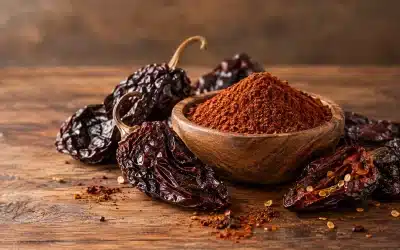
For a smokier, spicier character, a little chipotle salt can complement Sichuan pepper on grilled meat or vegetables. Use both sparingly so its distinctive citrus note remains clear.
With vegetables and vegetarian dishes
Sichuan pepper loves gently sweet vegetables such as aubergine, pumpkin, carrot and sweet potato. It also brings interest to mushrooms, cabbage, broccoli and green beans.
For an easy idea, roast vegetables with olive oil and salt. Towards the end, add a little freshly ground Sichuan pepper, lemon zest and a few drops of lime juice. The result is fresh, aromatic and very different from ordinary pepper.
Should I use it whole or ground?
Both have their place. Whole husks are ideal for infusing oil, stock or sauce. Freshly ground Sichuan pepper works better as a finishing touch or in a spice blend.
To bring out the aroma, lightly toast it in a dry pan over a low to medium heat. One or two minutes is enough for the fragrance to intensify. Watch it closely: it burns easily and can then taste unpleasantly bitter.
Let it cool, then grind it in a mortar or spice grinder. For a finer texture, pass it through a fine sieve. This is especially useful for sauces, dips and delicate marinades.
Practical tips for using it well
- Start small: its flavour is intense, so you do not need much.
- Toast carefully: a few seconds or a brief toast in a dry pan is enough.
- Grind just before cooking: this keeps its aromas lively.
- Pair with acidity: lime, lemon, rice vinegar and orange bring out its character.
- Do not treat it as black pepper: it is not simply a substitute for every recipe, but a spice with a personality of its own.
- Store it properly: keep it in an airtight container, away from light, moisture and strong heat.
Which ingredients work best with it?
Its citrus side makes Sichuan pepper versatile. It pairs beautifully with Asian flavours but also fits creative Greek and Mediterranean recipes.
Try it with:
- garlic, ginger and spring onion,
- soy sauce, sesame oil and rice vinegar,
- lime, lemon, orange and grapefruit,
- honey, brown sugar and grape molasses,
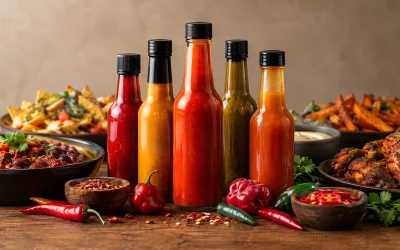
- chillies, dried chilli flakes and hot sauces,
- chicken, pork, duck, prawns and fish,
- aubergine, mushrooms, broccoli, cabbage and green beans.
An easy first taste is to add it to chips or roast sweet potato with salt and lemon zest. One small change takes a familiar side dish out of its routine.
Frequently asked questions about Sichuan pepper
Is Sichuan pepper hot?
It is not hot in the same way as chilli. It has an intense flavour and a distinctive tingling or numbing sensation in the mouth. Combine it with chilli when you want both aroma and heat.
Can I substitute black pepper?
You can use black pepper if there is no other option, but the result will be different. It lacks the citrus notes and unusual mouthfeel that make Sichuan pepper distinctive.
When should I add it to a dish?
Add it at the start to perfume oil, or at the end as a freshly ground seasoning. For more depth, use a small amount at both stages.
Should I remove the black seeds?
It is optional, but often worth doing. The seeds can be hard and give a coarser texture, especially when you want a very finely ground spice.
Which dishes should I try it in first?
Start with a simple vegetable stir-fry, chicken and noodles or a soy-based dip for dumplings. You will discover how Sichuan pepper works without its flavour getting lost among too many ingredients.
Sichuan pepper deserves a place in the cupboard of anyone who likes experimenting in the kitchen. With thoughtful quantities and well-matched ingredients, it brings an unexpectedly lively, aromatic and delicious touch to familiar recipes.