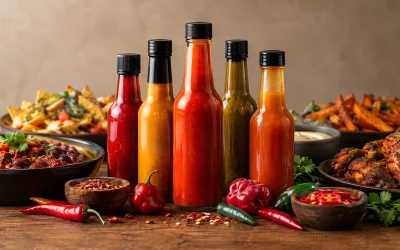
Homemade hot sauce is one of those small pleasures that makes a simple dish much more exciting. A few drops can add character to eggs, potatoes, souvlaki, rice, pasta or even a humble toasted sandwich.
Best of all, you do not need to be an expert cook. With fresh chillies, a few basic ingredients and a blender, you can make an aromatic, balanced sauce with exactly the heat you enjoy.
This hot sauce recipe is simple, versatile and a great place to start. Make it mild, lively or truly fiery by choosing your chillies and adjusting how you use them.
Ingredients for homemade hot sauce
For about one small jar of sauce, you will need:
- 200 g red chillies, or chillies of your choice
- 1 small ripe tomato, finely chopped
- 1 small onion, roughly chopped
- 2 garlic cloves
- 100 ml white vinegar or cider vinegar
- 1 tablespoon olive oil
- 1 teaspoon sugar or honey
- ½ teaspoon salt, plus more if needed
- 50–100 ml water, only if needed for a thinner sauce
Tomato adds body and gentle sweetness, while vinegar brings the pleasant acidity you expect from a good hot sauce. The sugar does not make it sweet; it simply helps balance the acidity, garlic and chilli heat.
Which chillies should you choose?
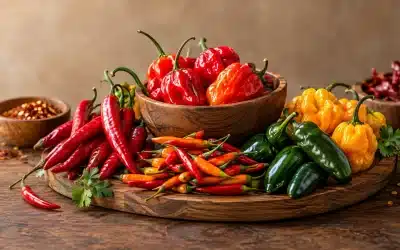
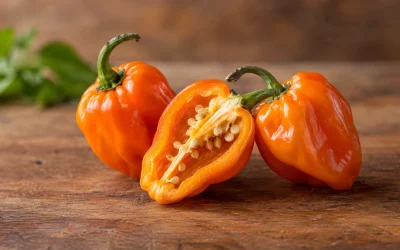
This is where the recipe gets its personality. For mild to medium heat, combine sweet red peppers with a few chillies. For more fire, increase the proportion of hot peppers or choose hotter varieties.
A good starting point is more sweet pepper and fewer chillies. You will get full flavour and a lovely red colour without making the first spoonful a test of courage.
If you also enjoy ready-made options and want to compare flavour profiles, explore our collection of hot sauces. It is a handy way to find inspiration, whether you prefer fruity, smoky or more vinegar-led flavours.
Basic equipment
You do not need a professional kitchen. These basics are enough:
- a frying pan or small saucepan with a lid,
- a knife and chopping board,
- a blender or stick blender,
- a clean glass jar with a lid,
- disposable gloves, especially when using very hot chillies.
Gloves are worth using. Hot chillies leave oils on your hands, and touching your eyes afterwards is an experience best avoided. If you do not wear gloves, wash your hands thoroughly with soap as soon as you finish preparing the chillies.
An easy method, step by step
1. Prepare the chillies and vegetables
Wash the chillies well and remove their stalks. Roughly chop them. To reduce the heat, remove some of the seeds and the white membranes inside. There is no need to be meticulous: a few seeds will not ruin the recipe.
Chop the tomato, onion and garlic too. Precise cutting is not important, as everything will be blended at the end.
2. Sauté for extra flavour
Heat the olive oil over a medium heat. Add the onion and sauté for 3–4 minutes until softened. Add the garlic and stir for about 30 seconds.
Add the chillies and tomato. Cook for 5–6 minutes, stirring often. They should soften and release their aromas without turning dark or burning.
3. Add vinegar and simmer
Add the vinegar, sugar and salt. Lower the heat and simmer for 10–15 minutes with the lid partly on. The vegetables will soften further and the sauce will begin to thicken.
If the kitchen fills with strong aromas, open a window. The recipe has not gone wrong; your hot sauce is simply making its presence felt.
4. Blend the sauce
Take the pan off the heat and let the mixture stand for a few minutes. Blend with a stick blender or carefully transfer it to a blender. Blend until you have the texture you like.
For a silky sauce, push it through a fine sieve. For a rustic result, leave the small pieces in. If it is too thick, add water a tablespoon at a time. If it is too thin, return it to the pan and simmer for a few more minutes.
5. Taste and adjust
Tasting is the most important step in any chilli sauce. Let it cool slightly and taste carefully. It may need a little more salt, some sugar for balance or another dash of vinegar for a brighter finish.
Do not rush to add more heat. Making a sauce hotter is easy; taming it once it is too spicy is much harder.
How to adjust the heat
The beauty of homemade hot sauce is that there is no single right version. The right one is the one that makes you want another bite.
For a milder sauce
- Use more sweet red peppers and fewer chillies.
- Remove most of the seeds and inner membranes.
- Add a little more tomato for a rounder flavour.
- Slightly increase the sugar or honey, without overdoing it.
For a hotter sauce
- Gradually increase the proportion of hot chillies.
- Keep some of the seeds and membranes.
- Add a small piece of a hotter chilli, tasting carefully.
- Use less tomato so the chilli takes centre stage.
For a more complex flavour, try smoked paprika, a little cumin, fresh coriander or lime zest. Add one aroma at a time. The aim is to showcase the chillies, not lose them in a confused mix of spices.
Flavour ideas and variations
Once you have tried the basic sauce, experiment with different combinations:
- With lemon or lime: add a little juice or zest at the end for a brighter, fresher flavour.
- For smoky flavour: roast the chillies and tomato in the oven before cooking, or add a little smoked paprika.
- With fruit: a small amount of mango, pineapple or peach creates a sweet contrast to the heat.
- With extra garlic: especially good in sauces for meat, potatoes and roasted vegetables.
- With herbs: try coriander or parsley, adding them once the sauce has cooled slightly.
For a softer, creamier touch in sandwiches and burgers, mix a little of your sauce with mayonnaise. For inspiration, try our sriracha and chilli mayonnaise.
Storage and serving
Transfer the sauce to a clean, dry glass jar and let it cool completely before closing the lid. Keep it refrigerated and always use a clean spoon when serving.
Homemade sauce is not a standardised product: its keeping time depends on acidity, cleanliness and ingredients. Make small batches and use them promptly. If you notice an unusual smell, colour change, mould or altered texture, do not use the sauce.
Room-temperature storage or longer keeping requires tested preserving methods with specific acidity ratios and heat processing. This recipe is intended for refrigerated storage.
What to serve with hot sauce
A good chilli sauce should not stay shut in its jar. Try it:
- with eggs, omelettes and Greek tomato scrambled eggs,
- in tacos, pitta bread and wraps,
- with grilled chicken, burgers or sausages,
- with roast potatoes and chips,
- with beans, rice and vegetables,
- in soups and pasta sauces for an extra kick.
If you enjoy the distinctive garlicky, slightly sweet profile of Asian cooking, discover sriracha, the spicy chilli sauce. Your homemade version need not copy it; take inspiration from its balance of heat, vinegar and sweetness.
Frequently asked questions
Can I make the sauce using only dried chillies?
Yes, but the flavour and texture will be different. Soak the dried chillies in warm water until softened, then use them in the recipe. You may need a little more water when blending.
Do I need to remove every seed?
Not necessarily. Removing seeds and membranes helps control the heat, but it is optional. Leave some in for a stronger result or remove most for a milder sauce.
Why is my sauce too thick?
A lot of liquid may have evaporated during simmering, or the vegetables may have been less juicy. Add water or vinegar a tablespoon at a time, then blend again until you like the texture.
Can I use a different type of vinegar?
Yes. White vinegar gives clean, neutral acidity, while cider vinegar adds a fruitier character. Choose the one you prefer and taste before adding more.
Can I freeze homemade hot sauce?
You can freeze small portions in suitable containers. Stir well after thawing, as the texture may change slightly. Refrigeration is the most convenient option when you want your sauce ready to use.
The best hot sauce recipe is the one you make again and again. Start with this basic version, note your quantities, and gradually find your own balance of flavour, acidity and fire.